WEMO
Less friction, more feeling
Reimagining the smart home experience on WEMO's mobile app.
Creative Direction, UX and UI design
The problem: Smart homes shouldn't feel stupid.
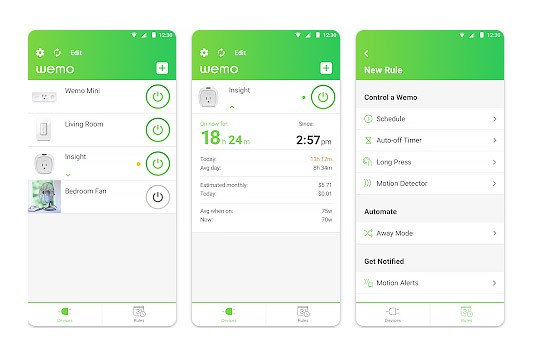
Cluttered. Disconnected. Mechanical. The original app forced users to think like machines. Finding a device, adjusting a light, or triggering a morning routine felt like operating an industrial switchboard. The interface was getting in the way of the environment.
_clumsy
OLD DESIGN
The app's old design was simple, but by no means easy or intuitive to use. It lacked a human-friendly approach to lighting control.
The New approach: Context over controls.
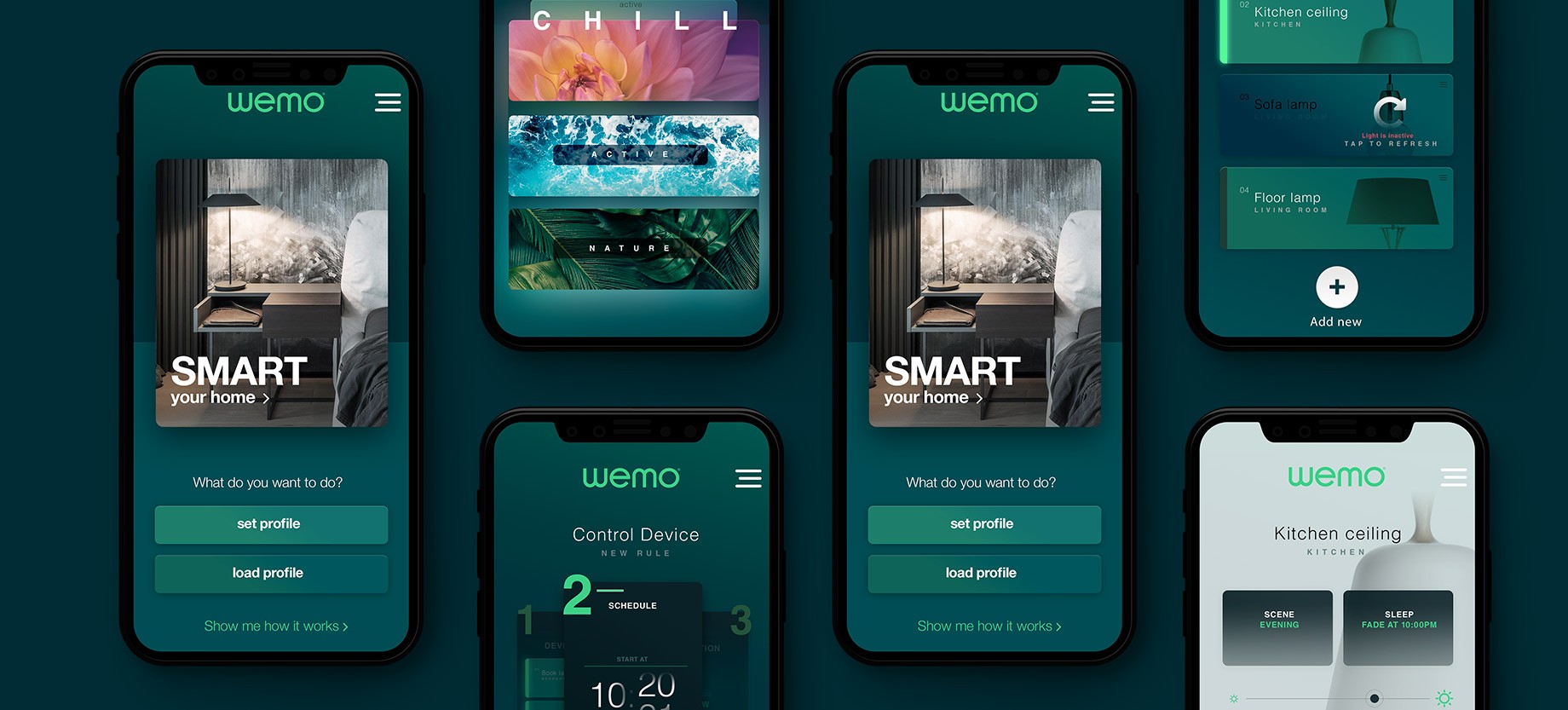
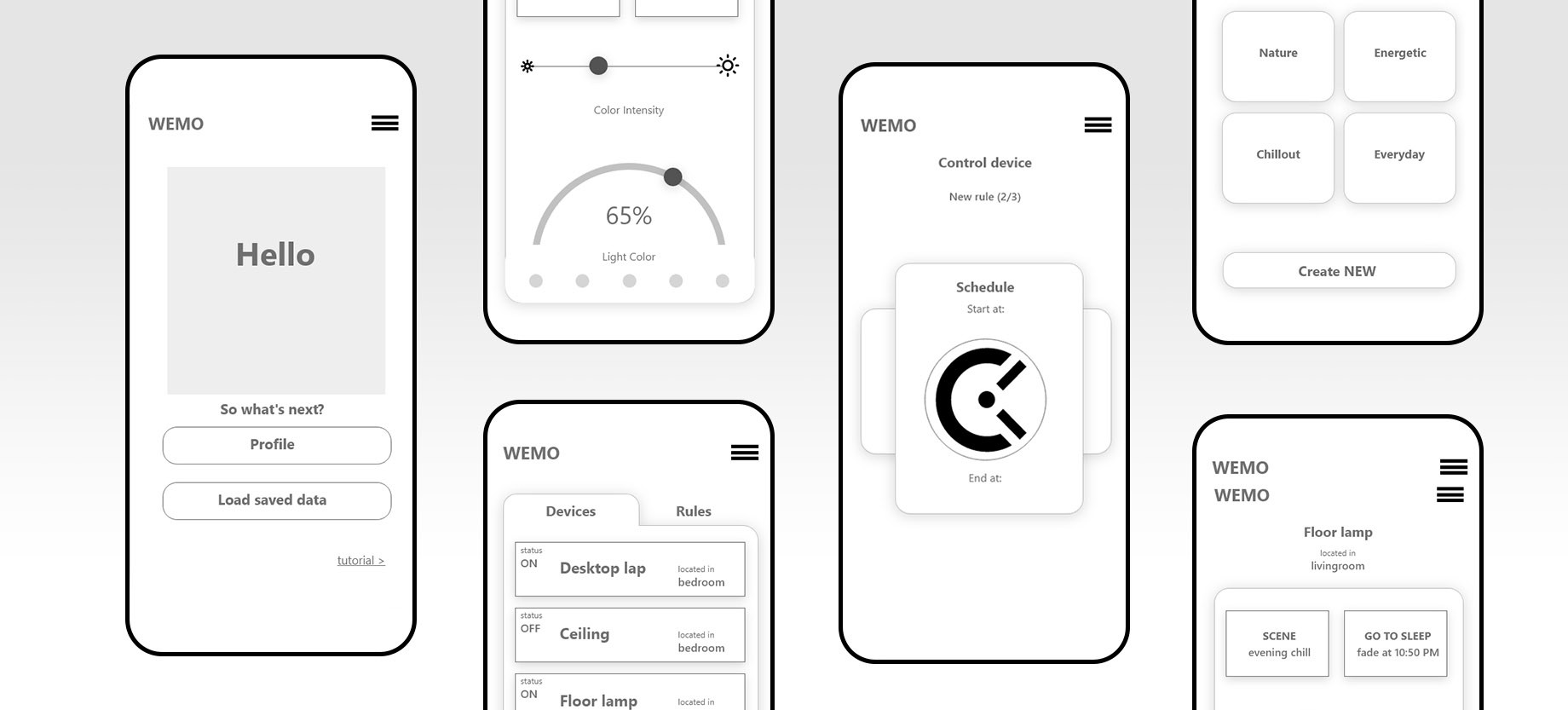
People don't want to turn on "Bedroom Bulb #3", they just want to set a mood in the space. I stripped away the unnecessary UI layers to focus purely on human behavioral patterns. The design philosophy? No unnecessary information with pleasant and relaxed interface.
The Solution: A sensory-driven ecosystem.
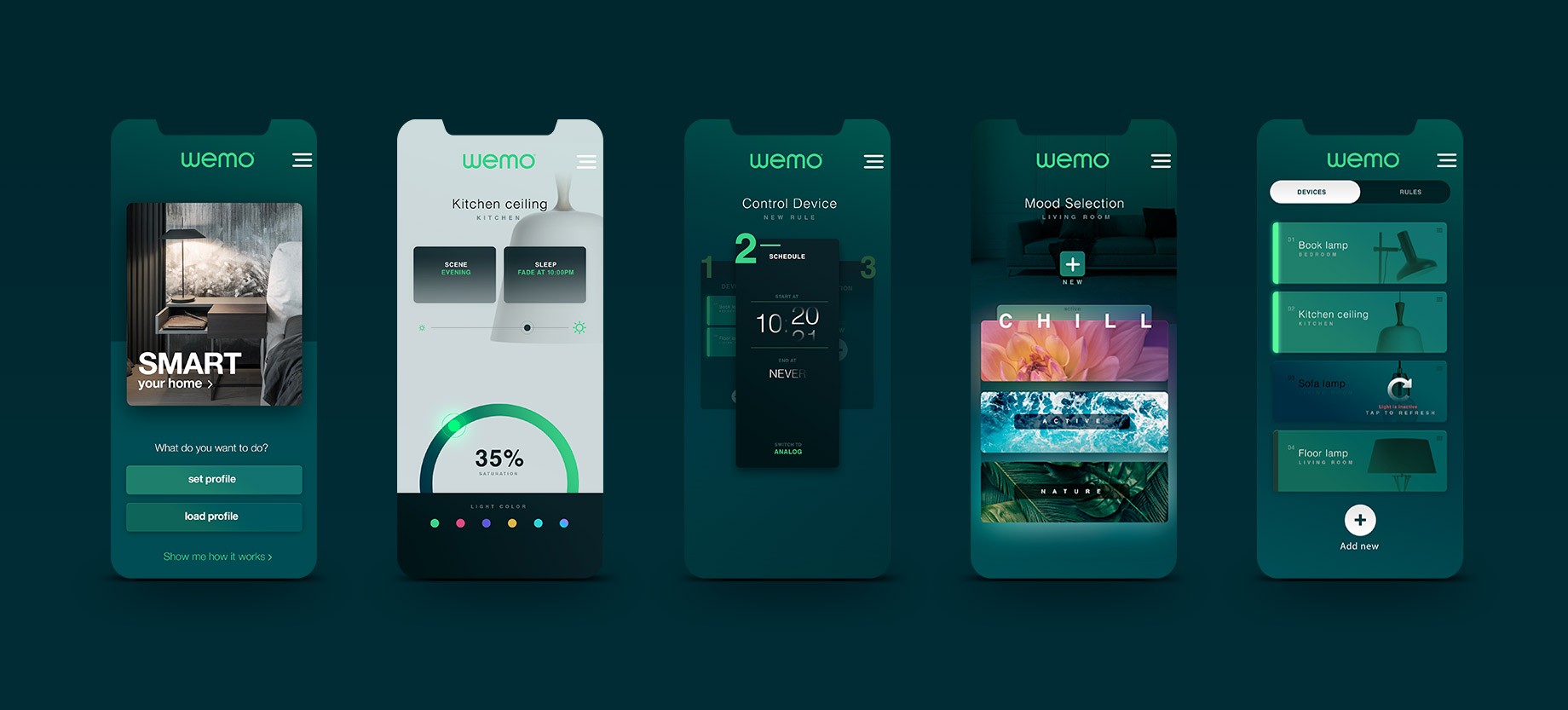
I re-designed the app from a simple remote control into an intuitive home manager.
Mood-Driven Scenes: Relax. Energize. Active. One tap translates human emotion into environmental response. No digging through menus.
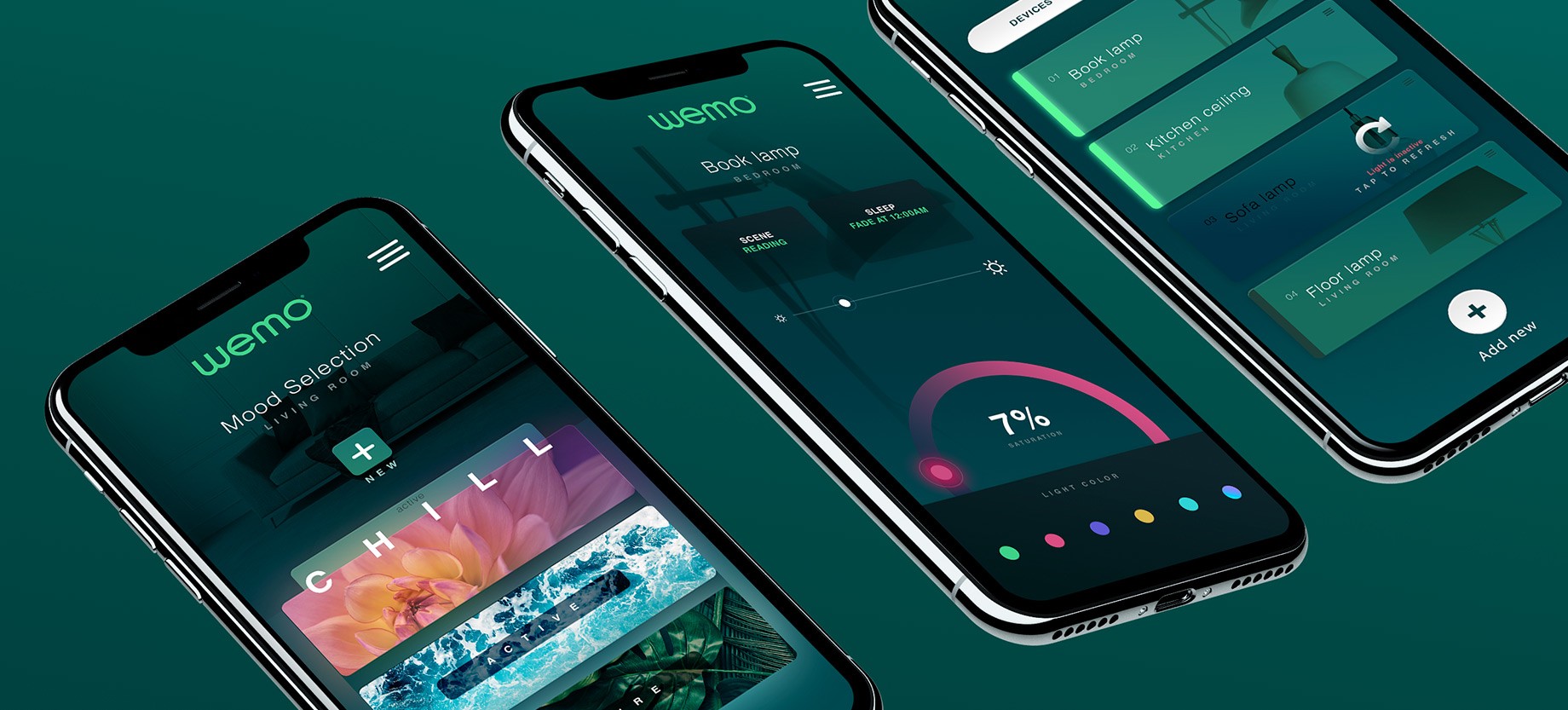
Fluid Interactions: Granular controls for color and light intensity that feel organic to the touch.
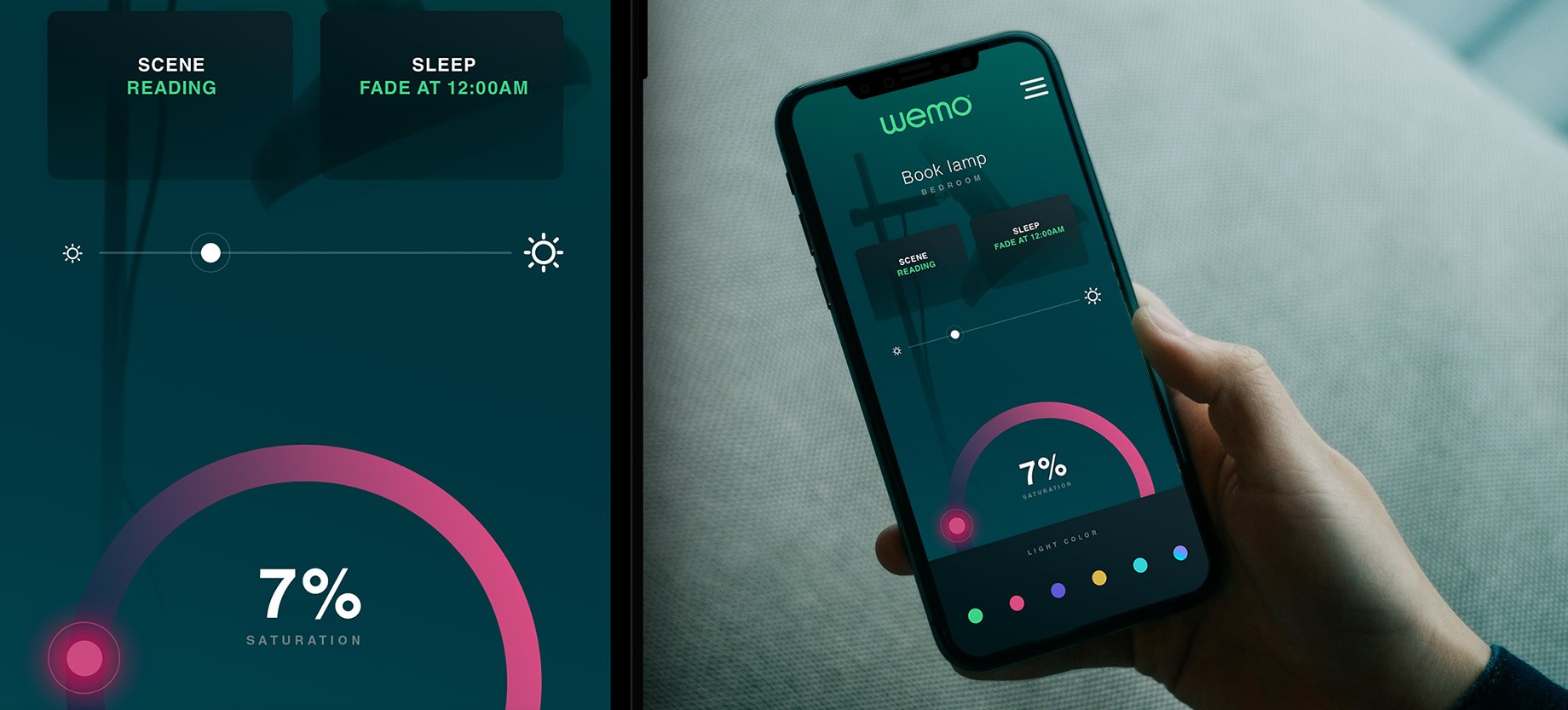
Circadian UI: An interface that breathes with your day. The app seamlessly adapts between Light and Dark themes based on the sun's position and your local time zone.
_the natural
UI PATTERN
bringing the iPod inspired round slider I wanted to let the user truly feel the change on the environment quick and comfortably.
The Impact
Technology at its best is invisible. By focusing on atmosphere rather than technical toggles, the new WEMO experience allows users to stop managing their devices, and start living in their space.